
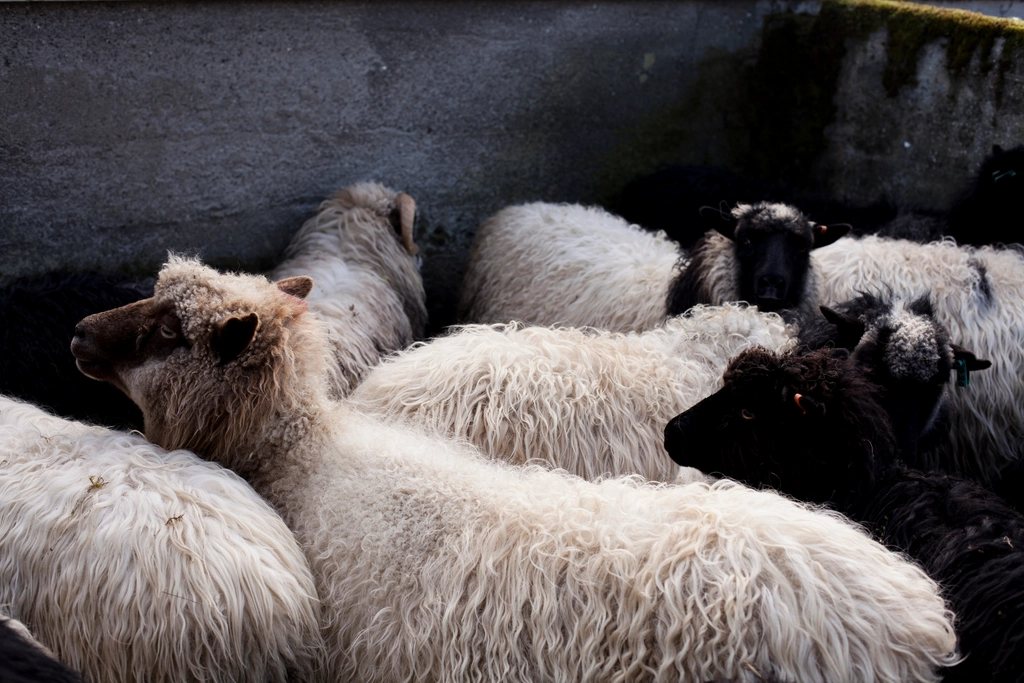
A farmhouse B&B is not a hotel with a view of some sheep. It is a working business with a spare bedroom, and the difference shows within an hour of arriving. The kitchen is the centre of the house because it always has been. The dog is not a pet in the usual sense. The family’s day is set by animals, weather and the price of feed, and your stay slots in around it rather than the other way round. For many visitors the experience is worth more than anything with a lift and a minibar. But it helps to know what you are walking into, especially if you arrive in lambing season.
When lambing happens, and why it matters to you
On lowland farms in Somerset lambing generally runs from late February into April, with the busiest weeks in March. Hill flocks on Exmoor tend to lamb later, often through April and into early May, to meet the grass. For those weeks the farm does not really stop. Someone walks the shed every couple of hours through the night, and the kitchen light may be on at two in the morning and again at five. This is worth knowing before you book, because a few things follow from it. Your host may be short of sleep and short of time for conversation. Breakfast may be served earlier than usual, or left as a spread for you to help yourself. And if you are lucky, and you ask, you may be invited to stand quietly at the shed door and watch a ewe deliver twins without any fuss at all.
The early mornings are not optional
Even outside lambing, a farm wakes early, and so will you. The tractor starts before seven. The yard gate clangs. A quad bike heads up the lane with a collie balanced on the back. None of this is done to annoy you, and none of it will stop because you are on holiday. It is best treated as part of the stay: open the bedroom curtains at half past six and use the day properly. The reward is a breakfast that tastes of where you are, with eggs that were collected while you were still asleep and bacon from a pig that had a name. If you truly need a lie-in, a farmhouse in March is the wrong place, and it is kinder to everyone to say so and book somewhere else.
Muddy boots and where they are allowed
Every farmhouse has a threshold, and the rule is the same everywhere: boots come off before it. There will be a porch, a back kitchen or a lean-to with a rack, a scraper and usually a heap of the family’s own wellingtons in several sizes. Use it. Carpets in a farmhouse are hard won, and the last thing a host wants after a night in the shed is to find a trail of Levels clay up the stairs. A few practical habits make life easier for both sides. Bring slippers or thick socks for the house. Keep a bag for wet outer layers rather than hanging them on the bedroom door. And ask where dogs are allowed, because the farm dog will have its own places and yours will need to learn them fast.
The unwritten house rules, written down
Most hosts will not hand you a list, and most of the rules are simply common sense on a working farm. These are the ones that come up most often, and following them saves a new guest a raised eyebrow or two.
- Close every gate you open, even if it was open when you found it and especially if you are not sure.
- Do not feed the animals anything, however hopeful they look, unless you have been told what and how much.
- Keep out of the lambing shed unless invited, and never let a dog near it; a frightened ewe can abandon a lamb.
- Stay off the yard when machinery is moving, and assume the driver cannot see you.
- Ask before wandering into fields; a bull, a slurry pit or a newly sprayed crop is not always signposted.
- Say what time you will be back for dinner or bed, because the door may be locked and the family asleep.
- Wash your boots before you leave if you have been in with the stock, to protect the next farm you visit.
None of this is onerous. It is the same courtesy you would extend to a friend’s house, with the addition that carelessness here can cost an animal its life or a family a season’s income.
What you get in return
The exchange is a generous one. You get a room in a house that has usually stood for two or three centuries, thick walls, deep windowsills and a view that changes with the weather rather than the neon. You get to see a piece of the countryside that no footpath quite reaches: the inside of the shed, the routine of the milking parlour, the way a farmer reads a sky. In spring you may be handed a bottle and a lamb whose mother has too little milk, and there is no faster way to feel part of a place. In summer you might be told which field has the best blackberries, or which gate leads to the river pool the family swims in. These things are not on the booking page. They happen because you were there, up early, boots off, gates shut.
Booking a farmhouse stay with your eyes open
A few questions before you commit will save disappointment. Ask whether the farm is a working one or a former farmhouse with the land let out; both are lovely, but they are different stays. Ask what the season will look like when you visit, because harvest in August is as busy as lambing in March, only louder. Ask about the approach, since some farm lanes are a mile (1.6 km) of unmade track that a low car will not enjoy after rain. And ask, plainly, whether the family minds guests being around during the working day, because some farms prefer you out walking from breakfast until teatime and some are glad of the company.
Then go, and let the farm set the rhythm. Take the early morning. Eat the breakfast. Shut the gate. The best farmhouse stays are rarely the ones with the prettiest bedrooms, but the ones where by the second evening the host has stopped treating visitors as guests and started treating them as an extra pair of hands.
Read next: Sofa Bed Chair for a B&B Room: Space, Comfort and What Guests Expect