
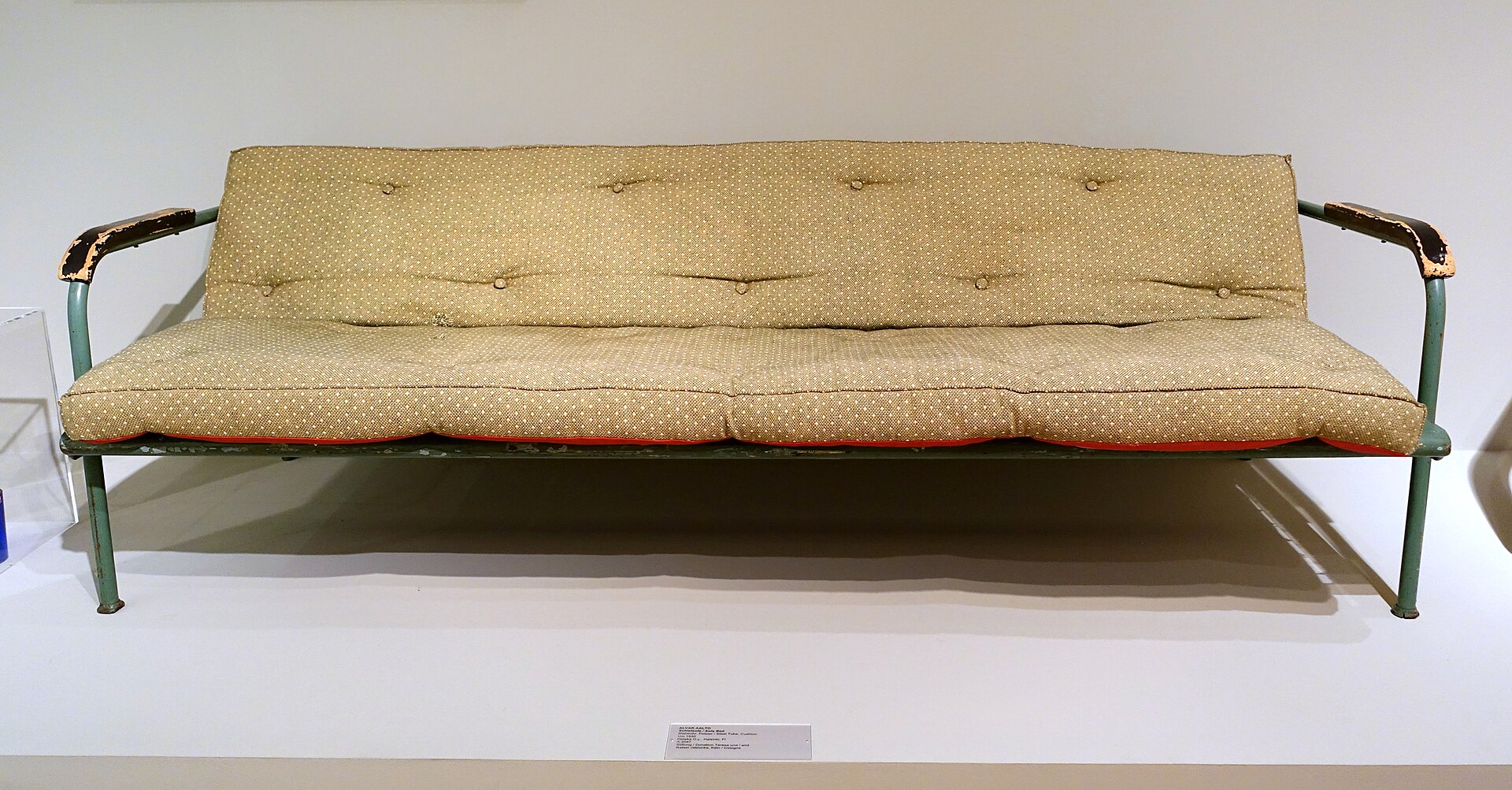
A sofa bed chair is a single-width piece of furniture that works as an armchair by day and a bed at night. For a B&B room that cannot hold a second bed or a full sofa bed, it can be a tidy answer, provided you pick it with some care and describe it honestly to guests. This guide looks at how these chairs are built, what to check before buying, and how to set expectations.
- A sofa bed chair gives one person a place to sleep without needing a second fixed bed.
- Mattress thickness, fabric and removable covers matter more than the look of the chair.
- Guests are happiest when the listing says plainly what the extra bed is.
What exactly is a sofa bed chair?
Think of it as the smallest member of the sofa bed family. A full sofa bed hides a frame and a thin mattress beneath its seat cushions, and the whole thing opens out to make a bed. A sleeping chair, sometimes sold as an armchair bed or chair bed, follows the same idea but is made for one person’s width. That is why you will also see it called a single sofa bed chair.
Designs vary. Some chairs unfold in a few simple movements and need no assembly. Others are loungers with several adjustable positions, so the same piece can sit upright as a chair, tilt back as a recliner or lie flat as a single bed. Some can also act as a chaise longue when upright.
It also helps to know what a sofa bed chair is not. A western-style futon is a different product, although some sofa beds do use futon-type mattresses. And a Murphy bed folds into a wall or cupboard, which is a separate approach covered in a separate guide on wall-bed hardware.
Will it work in your room layout?
The strongest argument for a chair bed is flexibility. It gives you seating during the day and a bed at night, so a room can adapt without carrying two separate pieces. That suits a bedroom where there is simply no space for both a second bed and a place to sit.
Before you buy, measure twice. The size that matters is the opened bed, not the chair. Some models are quite long when flat, so mark out the footprint on the floor with tape and check that the room’s door, the main bed and any wardrobe still open freely. Remember that a guest will need to reach the bathroom or window without climbing over the extra bed.
A few layout questions are worth asking:
- Where will the chair sit when it is a chair, and where will it go when it is a bed?
- Can you open it fully without moving other furniture?
- Is there a socket, a lamp and a surface within reach of whoever sleeps on it?
- Will the person sleeping there have some privacy from the main bed?
Small chairs are also easy to move, which helps when you want to reconfigure a room for a different booking or give the floor a proper clean.
What makes one comfortable enough for guests?
Comfort is where chair beds most often disappoint, so it deserves the longest look. Start with the mattress. On sofa beds in general, the average mattress is about 11 cm (4.5 in) thick, and they are made from springs or foam. That is a useful reference point: a thin pad over a hard frame will feel like it, and a guest who is used to a proper mattress will notice.
Foam quality matters too. Density describes how much polyurethane foam sits in a given volume, and a dense foam can still be made soft, while a low-density foam can be made firm. In practice, ask the seller about the foam, and if you can, try the chair yourself and lie on it for a few minutes rather than sitting on it.
Then look at the fabric and the covers. Choose a thick, hard-wearing fabric. Removable covers are a real advantage in a B&B, because stains and dirt are part of normal use, and you can wash a cover between guests. Check the care label for the right washing temperature before you buy, so you know it will survive regular laundering.
Check the mechanism and the feet
A reliable mechanism should convert the chair into a bed quickly and without force. Non-slip feet are a sensible detail on a hard floor, as is a surface that protects the floor from scratches. Open and close the chair several times in the shop or on delivery, because it will do this often.
Do not forget bedding
A chair bed needs proper sheets, a pillow and a warm cover to feel like a bed rather than a makeshift one. Spend a little on this, and keep a spare set so the chair is ready quickly after a change of guests.
Home use or heavy use: does the label matter?
Many chair beds are designed for occasional guests in a family home, such as a sleepover, an unexpected visitor or a spare room. A B&B uses furniture far more often, so a domestic model may wear out faster than you expect. Look at how the frame is built, how the mattress is made and whether the covers can be removed and replaced.
One maker of sofa beds argues that foam-only, frameless designs cost less to produce but do not last as long as models built around a hardwood frame and a proper mattress. That is a seller’s view, so treat it as a prompt to ask questions rather than a rule. But it is a fair thing to ask any supplier: what is inside, and how long do you expect it to last with regular use?
Warranty terms also vary widely, and some cover residential use only. If you plan to use the chair every week, read the small print and ask whether commercial use is allowed. Also ask what happens if a part fails, and whether the cost of labour is included.
For comparison, think about the other options for a flexible bed: a fold-away bed, a wall bed or a trundle frame. Each has different storage needs and different levels of comfort, so weigh them against your room and your guests rather than picking by price alone.
How should you describe it to guests?
Honesty is the best policy. If you advertise a room as having a sofa bed chair, say so in those words, state that it sleeps one person, and mention that it is an armchair that converts into a bed. Guests who book expecting a full second bed will be disappointed, and guests who know exactly what they are getting rarely are.
Say who it suits. A chair bed often works well for a child or a young person, and less well for a tall adult staying several nights. If your listing is clear about this, people can make a sensible choice before they arrive.
On arrival, make the bed up in advance or show guests how the chair opens, so they are not wrestling with it late in the evening. A clean cover, fresh bedding and a note on how to fold it back by day make a modest piece of furniture feel like part of the room rather than an afterthought.
Above all, remember that the extra bed is a convenience, not the main event. The main bed, the heating, the light and the quiet are what guests remember. A well-chosen chair bed simply helps you offer one more option without crowding the room.
Frequently asked questions
Is a sofa bed chair the same as a futon?
No. A western-style futon differs from a sofa bed, even though some sofa beds use futon mattresses. A sofa bed chair is a single-width chair that unfolds into a bed, usually with a frame or hinged body.
How thick should the mattress be?
There is no single answer, but sofa bed mattresses average about 11 cm (4.5 in) thick, which gives you a sense of what is normal. Try lying on the chair rather than sitting, since thickness alone does not tell you how supportive it is.
Are removable covers worth paying for?
In a B&B, yes. Removable covers let you wash away stains and dirt between stays. Check the care instructions first so you know what washing temperature the fabric can take.
Can a chair bed replace a second proper bed?
Only for some guests. It suits a single occasional sleeper, such as a child or a short stay, and less well a tall adult staying several nights. Describe it clearly in your listing so expectations match what you offer.
Related reading
- Forty Rooms Later: What a Good B&B Bedroom Actually Needs
- Reading a Coaching Inn: The Arch, the Yard and the Stables Behind the Bar
Sources
- Sleeper Chairs – Single Sofa Beds (ikea.com, accessed 2026-11-09)
- Sofa bed — Wikipédia (en.wikipedia.org, accessed 2026-11-09)
Photo: Sofa bed, designed by Alvar Aalto, Heteka O.y., Helsinki, Finland, c. 1930, steel tube, cushion – Museum für Angewandte Kunst Köln – Cologne, by Daderot, CC0 (Wikimedia Commons)