
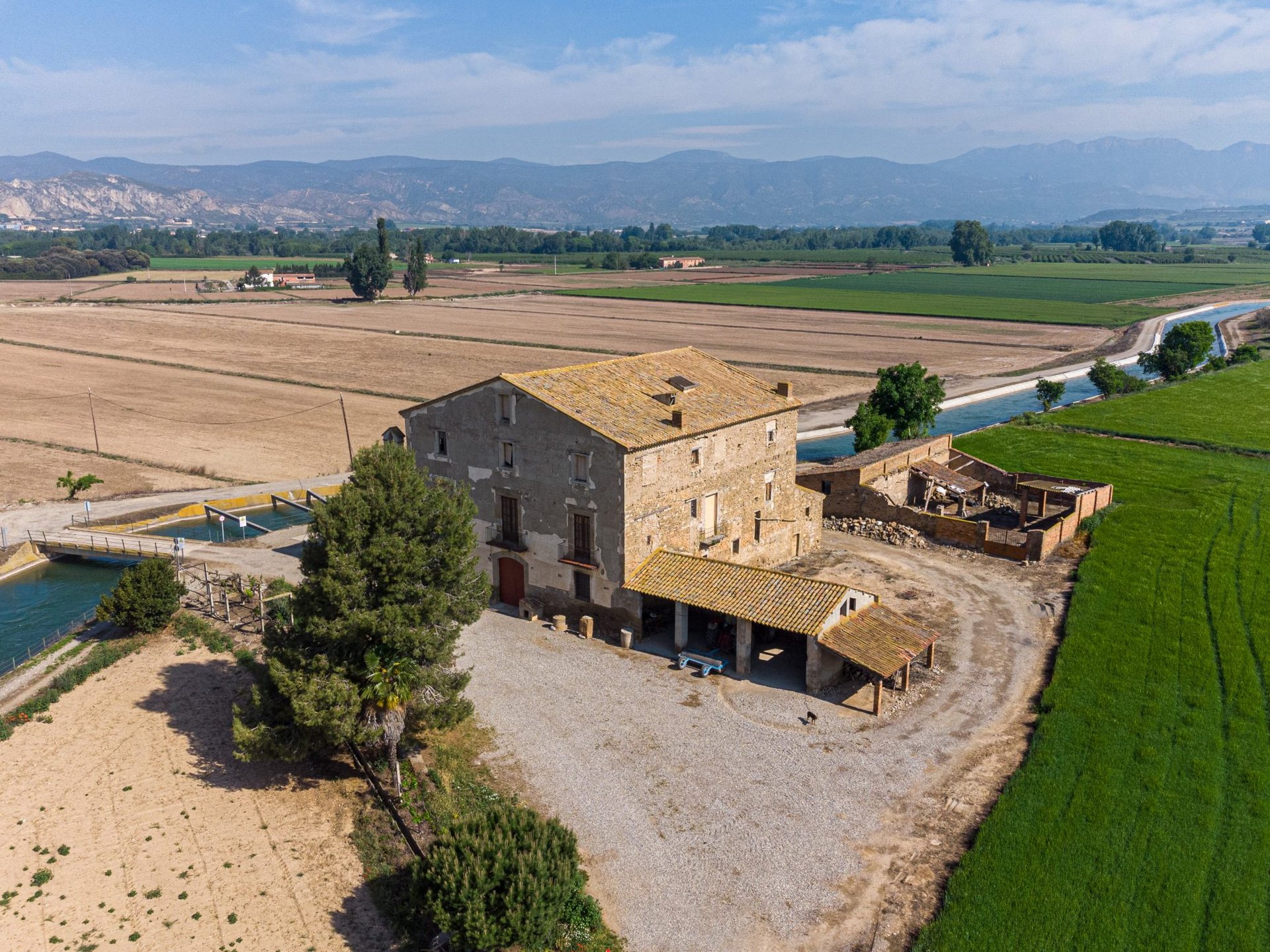
There is a particular pleasure in waking up somewhere that was built for something else entirely. A pulpit where the kitchen now stands. A wheel pit under the sitting-room floor. A roof so high that the swallows have not yet noticed the building is no longer theirs. The English countryside is full of these conversions, and Somerset, with its closed chapels, its silted watermills and its surplus of stone barns, has more than most. Such buildings have clear gifts and equally clear drawbacks. The charm is real. So is the cold. This is an honest account of both.
Why there are so many of them
Each type has its own reason for standing empty. The nonconformist chapels of the West Country were built in their hundreds through the nineteenth century, often at the edge of a village or halfway up a hill, and as congregations shrank many were sold off from the 1970s onwards. Watermills lost their trade to steam and then to roller mills, and a great many on the Somerset rivers had stopped grinding by the early twentieth century. Barns went last: farms merged, machinery grew too big for a doorway built for a hay cart, and planning rules from the 1980s allowed redundant agricultural buildings to become homes and then holiday lets. The result is a stock of buildings that are older, stranger and more solidly built than most houses, and that were designed around a purpose that had nothing to do with comfort.
The chapel: light, height and a voice that carries
A converted chapel is usually one tall room with a gallery, and everything about staying in it follows from that. The windows are the glory: tall, arched, often with plain or coloured glass, letting in a soft, even light that no cottage window can match. They are also almost impossible to curtain, so the bedroom is often tucked under the gallery where it is dark, or the sleeping space is up on the gallery itself, open to the whole volume below. Sound behaves as it was designed to. A kettle boiling downstairs is heard as clearly on the gallery as a sermon once was, and two couples sharing a chapel need to like each other. Heating a single room five or six metres high takes real money, and a good conversion has underfloor heating, thick insulation in the roof and a wood stove to lift the evening. A poor one has a couple of electric radiators and a chill that never quite leaves the stone.
The mill: water, damp and the sound you cannot switch off
A mill is the most romantic of the three and the most demanding. It stands where it does because water runs past it, and that water is still there, in a leat along one side of the building or a race underneath it. On a summer night the sound is a lullaby. After three days of rain it is something else, and the ground floor may have a line on the wall showing where the river came in one winter. Ask about it. Mills are also tall and narrow, built to move grain downwards through the floors, so expect steep stairs, small rooms stacked one above another, and a bedroom at the top with the best view and the longest climb. Damp is the constant enemy, and the owners who have beaten it, with heating on low all winter and dehumidifiers humming in the corners, deserve their prices. The reward is a building that still moves, faintly, with the weather, and a wheel, if it has been kept, that you can stand beside and hear turning in the dark.
The barn: space, stone and the question of bats
Barns make the easiest conversions and the most comfortable stays, which is why there are so many of them. The plan is generous: a threshing floor in the middle with a pair of great doors facing each other, built to let the wind through and blow the chaff away, which now become the tall glazed openings that every barn conversion photographs so well. The roof timbers are exposed, the floor is stone or oak, and a good architect has kept the internal walls to a minimum so that the volume reads as a barn and not as a bungalow. The practical concerns are of scale. A huge room takes a long time to warm, and the bedrooms may be on a mezzanine with a ladder-like stair that a tired guest or a small child will not thank you for. Bats often lived in the roof before the builders came and are protected by law, so some barns keep a box or a slot for them; you may hear a faint traffic overhead at dusk. It is part of the building. Enjoy it.
What to ask before booking any of them
It pays to put the same short list of questions to any host whose building was never a house; the answers say more than the photographs.
- How is it heated, and is the heating included in the price or on a meter?
- Where exactly is the bed, and is it in a room with a door and a window that can be darkened?
- How steep are the stairs, and is there a bedroom or a bathroom on the ground floor?
- Is there a wood stove, and is fuel provided?
- For a mill: has the building flooded, and what happens to the access lane after heavy rain?
- For a chapel: is the graveyard still in use, and does the village mind visitors parking by the gate?
- For a barn: are the big glazed doors overlooked, and what is the farm next door doing at six in the morning?
Charm versus practicality, honestly weighed
On balance, the trade is worth making in the right season. A barn in May, doors open onto a meadow, is as good as any stay in the county. A chapel in October, stove lit, rain on tall windows, is close behind. A mill in a dry August is a small paradise. The same buildings in January can be a long, cold lesson in why houses have low ceilings and small windows. Choose the month with the building in mind, ask the questions, pack a jumper, and you will have a stay that no ordinary bedroom, however well appointed, can come near. For many guests, the swallows, the pulpit and the wheel pit beat a fitted wardrobe every time, provided the heating is checked first.