
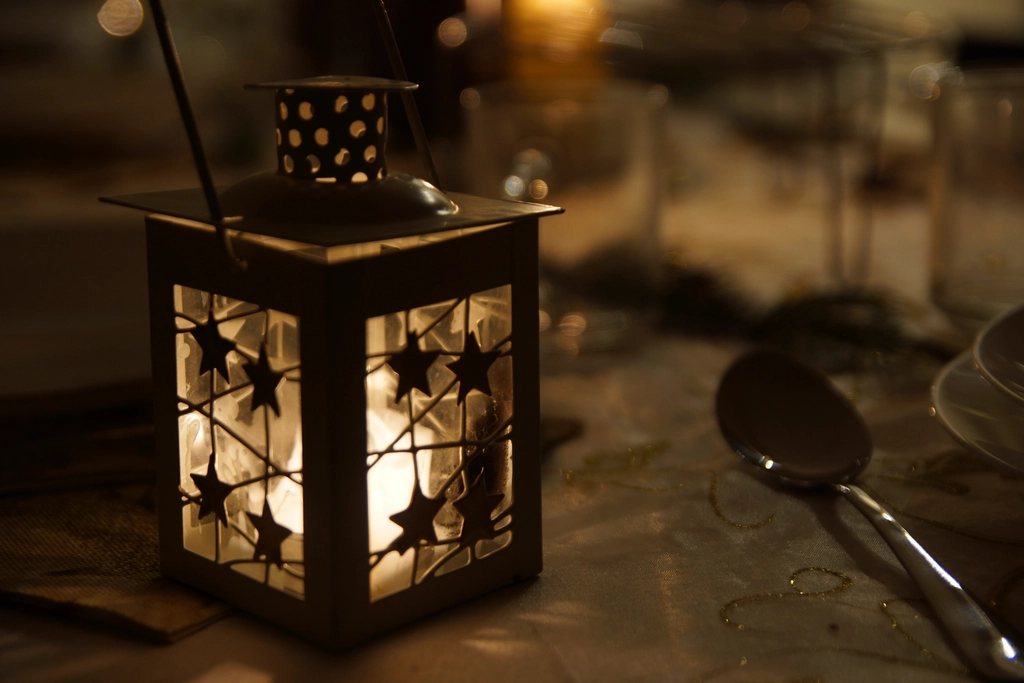
Somerset keeps more of its old customs than almost any other English county, and it keeps them without fuss. A visitor who arrives on the wrong week can drive through a village and never know that the orchard behind the church was full of torches three nights earlier. A visitor who arrives on the right week can find the whole place out in the street. This is the year month by month, with practical notes for planning a slow stay around it.
January and February: waking the orchards
The year begins in the cider orchards. Wassailing, the custom of toasting the apple trees to ensure a crop, is held on Old Twelfth Night, 17 January, in a village on the coast below Exmoor, where it has continued without a recorded break, and on various nights around Twelfth Night in orchards across the county. The form is roughly the same everywhere: a procession with lanterns to the oldest tree, a piece of toast soaked in cider placed in the branches for the robins, cider poured over the roots, a song addressed to the tree, and a great deal of noise, traditionally shotguns fired into the branches, to drive off anything that might harm the crop. Most wassails welcome visitors. Shrove Tuesday, in February or early March, brings pancakes everywhere and, at one village school on the Levels, a custom called egg shackling, in which eggs marked with the children’s names are shaken together in a sieve until only one is left whole.
March to May: Mothering Sunday, the Hobby Horse and the bounds
Mothering Sunday falls on the fourth Sunday of Lent and is older and quieter than the imported Mother’s Day; it was the day servants were given leave to visit their home parish, and the simnel cake, a fruit cake with a layer of marzipan, is its food. Easter follows, with church bells and lambs. Then, on the evening of 30 April, the Hobby Horse comes out at Minehead. It is a boat-shaped frame some seven or eight feet (about 2.5 m) long, covered in ribbons and painted cloth, carried by a man hidden inside it, and it dances through the town and the neighbouring villages to a drum for three days, from May Eve to 3 May, collecting money as it goes. It was already described as ancient in the eighteenth century. Rogation Sunday, in May, is the season for beating the bounds, when a parish walks its boundary, and late May or early June brings the county’s great agricultural show near Shepton Mallet, run by a society founded in the 1770s.
June to August: fetes, the festival and harvest home
Summer is village time. Nearly every parish holds a fete or a flower show between June and August with a produce tent, a dog show and a tea urn, and these are the best free entertainment in the county. One warning for the slow traveller: a very large music festival is held near Pilton at the end of June, and for that week every bed within thirty miles (48 km) is taken and every lane is slow, so book around it. August ends with harvest homes, the old thanksgiving suppers of the farming year, held in long marquees on the village green with a brass band, a procession and a great deal of beef and plum pudding; the one at East Brent has run every year since the 1850s. The same month brings a sheep fair on the top of the Mendips that has been held, by charter, since the fourteenth century, when it moved up from Wells to escape the plague; in recent years it has not always run, so ask locally before planning a day around it.
September and October: cheese, apples and Punkie Night
September is harvest festival in every church, with the altar steps piled with marrows, and it is the month of the county’s cheese show, at Frome, where farmhouse cheeses have been judged since the nineteenth century. Apple picking runs from late September into November, and Apple Day, on 21 October, is marked at farms and orchards with pressing demonstrations, identification tables where you can bring a mystery apple from your garden, and a good deal of juice. Then, on the last Thursday of October, comes Punkie Night at Hinton St George in the south of the county. The children of the village carve lanterns from mangolds, the big fodder beets, hollowed and cut with faces and patterns, and carry them through the streets on sticks, singing for pennies. The story told locally is that the men of the village went to a fair and did not come back, and their wives went out to find them with the only lanterns they could make. It is one of the last places in England where the custom survives, and it is nothing whatever to do with pumpkins.
November: the carnival circuit
Nothing in the county’s calendar compares to the Guy Fawkes carnivals. The tradition began in Bridgwater, a Protestant town that celebrated the failure of the 1605 plot with unusual enthusiasm and never stopped, and the organised procession dates from the 1880s. Today the carnival at Bridgwater is held on the first Saturday of November, and it is followed over the next two weeks by carnivals at six other towns, so that the same carts travel from one to the next. The carts are the thing: floats up to a hundred feet (30 m) long, built in secret over a year by village clubs, carrying dozens of costumed people and lit by tens of thousands of bulbs run from their own generators, and they pass for more than two hours. At the end of the Bridgwater procession comes squibbing, in which a long line of people stand along the high street holding large fireworks on poles above their heads and fire them all at once, filling the street with sparks. It is loud and faintly alarming. Book a bed months ahead, expect road closures from the afternoon, and dress for standing still in the cold for three hours.
December: candles, the ashen faggot and the thorn
The year closes at Dunster, the medieval village below Exmoor, which bans cars on the first Friday and Saturday of December, lights its streets with candles and lanterns, and fills them with stilt walkers and lantern processions. On Christmas Eve, in an inn in the same village, the ashen faggot is burnt: a bundle of green ash sticks bound with bands, laid on the fire, with a round of drinks called each time a band bursts in the heat. And at Glastonbury, in early December, a sprig is cut from the Holy Thorn, the tree that flowers in winter as well as in spring, and sent to the sovereign to decorate the Christmas table, a custom that dates from the 1920s. It is a fitting end to the year, and the orchards will be wassailed again within the month.